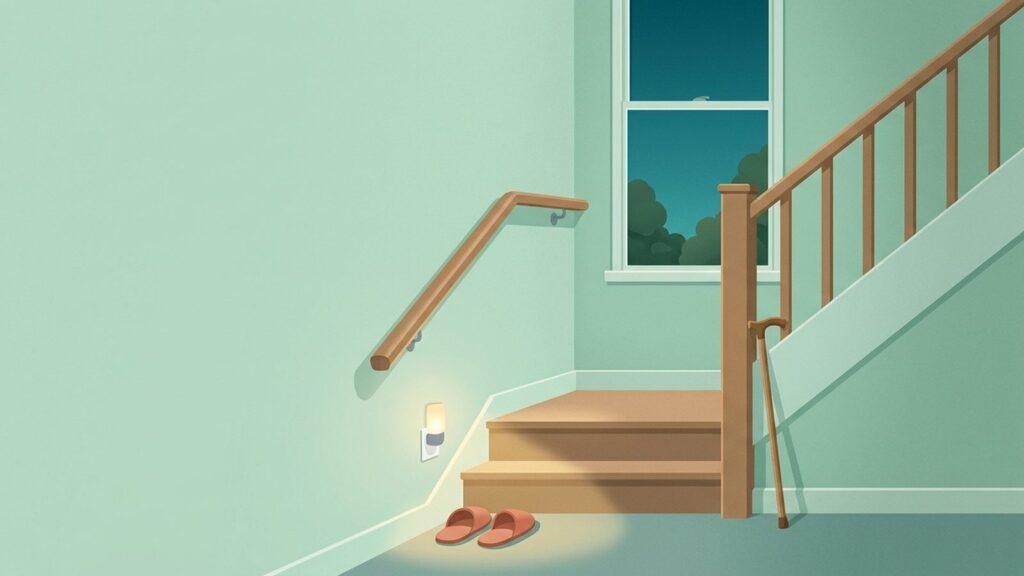
The main side effects of zopiclone in elderly people are next-day drowsiness, unsteadiness and falls at night, memory gaps and confusion. Older people usually start on a lower dose for this reason. Zopiclone is not recommended in pregnancy, and UK sources differ on breastfeeding, so always ask your doctor or pharmacist first.
Key facts
- What it is: Zopiclone is a Z-drug sleeping tablet (a hypnotic).
- Licensed use (UK): Short-term treatment of insomnia in adults, when it is severe, disabling or causing extreme distress.
- Older people: The product information gives a lower usual starting dose of 3.75 mg and warns about falls.
- Legal status: Class C controlled drug, Schedule 4 Part 1.
- Needs a prescription: Yes
- Last checked: November 2026
This guide covers three groups who need extra care with zopiclone: older adults (including people living with dementia), people who are pregnant or planning a pregnancy, and people who are breastfeeding. It uses the official UK product information, the NHS and published research. For the basics, start with our complete guide to zopiclone.
Why older people are more sensitive to zopiclone
As you get older, your body clears many medicines more slowly. The UK patient leaflet puts it simply: in older people, medicines stay longer in the body. That means more of the sleepy effect can carry over into the next morning.
Zopiclone also relaxes your muscles. The UK Summary of Product Characteristics (SmPC) warns of a risk of falling, particularly in older people who get up during the night. It also says unusual reactions such as agitation, nightmares and hallucinations happen more often in older people.
Other things common in later life can add to the risk. These include poor eyesight, weak muscles, low blood pressure and taking several medicines at once.
Side effects of zopiclone in elderly people: what to watch for
The table lists the effects most relevant to older adults. The frequency bands come from the SmPC side-effects table.
| Side effect | What it can look like | How often (SmPC) |
|---|---|---|
| Drowsiness and a bitter or metallic taste | Feeling groggy or slow in the morning | Common |
| Dizziness, reduced alertness, difficulty getting up | Feeling light-headed or “heavy” on waking | Uncommon |
| Falls | Tripping or losing balance, often on the way to the toilet at night | Rare (mainly in older people) |
| Short-term memory loss (anterograde amnesia) | Not remembering things done after taking the tablet | Rare |
| Confusion, irritability, hallucinations, low mood | Seeming muddled, upset or “not themselves” | Rare |
| Unsteadiness (ataxia), poor attention, memory problems | Clumsiness or trouble concentrating | Frequency not known |
Confusion in an older person can be mistaken for worsening memory or dementia. If a relative becomes more confused after starting zopiclone, tell their GP or pharmacist. For the full list, see our guide to zopiclone side effects.
Reducing the risk of falls at night
Falls are the side effect that matters most in later life, because they can lead to fractures. These steps can help, alongside your prescriber’s advice:
- Take the tablet just before you go to sleep, sitting upright, as the SmPC advises. Allow time for a full night’s sleep of 7 to 8 hours.
- Keep the route to the toilet clear and well lit, and use a night light.
- Sit on the edge of the bed for a moment before you stand up.
- Wear slippers or shoes that fit well and grip the floor.
- Keep any walking aid within reach of the bed.
- Do not drink alcohol with zopiclone, as it makes the sedation stronger.
The NHS falls guidance lists side effects of some medicines as a cause of falls. It advises speaking to a GP or pharmacist if you think your medicines are affecting your balance. Staying active, with strength and balance exercise at least twice a week, also helps.
The starting dose for older people
The SmPC says the usual starting dose for elderly people is 3.75 mg at bedtime. It may later be increased to 5 mg and, if necessary, up to 7.5 mg. A 3.75 mg start is also advised for people with kidney, liver or long-term breathing problems.
Treatment should be as short as possible, usually a few days to 2 weeks, and no longer than 4 weeks in total. Take it exactly as your prescriber tells you, and never take a second dose in the same night. Our zopiclone dose guide explains the strengths in more detail.
Zopiclone must not be used by anyone with severe liver problems, sleep apnoea, myasthenia gravis or severe breathing problems. These are more common in older age, so make sure your prescriber knows your full medical history.
Zopiclone and dementia: what the research shows
Sleep problems are common in people living with dementia, and Z-drugs are sometimes prescribed. A large English study looked at what happened next. Richardson and colleagues, writing in BMC Medicine in 2020, followed 27,090 people with dementia for 2 years. Most of the 3,532 people who started a Z-drug were given zopiclone.
At higher doses, equal to 7.5 mg of zopiclone a day or more, Z-drug use was linked with more falls, fractures, hip fractures and stroke. Compared with people with sleep problems who took no sleeping medicine, the risk of hip fracture was about twice as high (hazard ratio 1.96).
The authors concluded that higher-dose Z-drugs should be avoided where possible in dementia, with non-drug approaches preferred. This kind of study shows a link, not proof of cause.
Does zopiclone cause dementia?
This study looked at people who already had dementia. It did not test whether zopiclone causes dementia, and the UK product information does not list dementia as a side effect. It does list memory problems and confusion, which usually relate to the medicine’s effect on the brain while you take it.
If someone with dementia already takes zopiclone, they should not stop suddenly. Stopping abruptly can cause withdrawal effects. Ask their GP or pharmacist for a medicines review instead. Our guide to zopiclone withdrawal explains why.
Zopiclone in pregnancy
The SmPC says zopiclone is not recommended during pregnancy, because it crosses the placenta. The NHS zopiclone page says it is not usually used in pregnancy. It may sometimes be prescribed for a short time if sleep problems are severe and other treatments have not worked.
Birth defects
The UK Teratology Information Service (bumps) leaflet says there is no strong evidence that zopiclone in early pregnancy causes birth defects. The SmPC notes that data on more than 1,000 pregnancies showed no sign of malformations with this type of medicine in the first trimester. Some smaller studies reported more cleft lip and palate with benzodiazepines.
Late pregnancy and the newborn baby
Taking zopiclone in late pregnancy or during labour can affect the baby after birth. The SmPC describes low body temperature, floppiness, feeding difficulties and breathing problems (“floppy infant syndrome”). Babies may also have short-term withdrawal symptoms, such as jitteriness, poor sleep and breathing problems.
For this reason, your baby may be monitored for a while after birth. Bumps says a detailed scan is offered at around 20 weeks, as in any pregnancy, and no extra monitoring of the baby in the womb is needed because of zopiclone. Some studies have reported early birth and low birth weight, but it is unclear whether zopiclone caused them.
If you find out you are pregnant
Tell your doctor straight away, but do not stop taking zopiclone suddenly without advice. The SmPC asks anyone who could become pregnant to talk to their doctor about stopping if they plan a pregnancy or think they are pregnant. Bumps also says there is no evidence that zopiclone taken by a father harms the baby through effects on sperm.
Zopiclone and breastfeeding
Zopiclone passes into breast milk in small amounts. UK sources give different advice, so it helps to know both views:
- The product information (SmPC and patient leaflet) says use in breastfeeding mothers must be avoided.
- The NHS says zopiclone can be used for a short time while breastfeeding, and side effects in babies are rare.
- The NHS Specialist Pharmacy Service lists Z-drugs as a preferred short-term choice for full-term, healthy babies, with monitoring.
Your doctor will weigh these against your situation. If zopiclone is used, the advice is the lowest effective dose, for as short a time as possible. Watch your baby for unusual sleepiness, not waking for feeds, poor weight gain, slow breathing or a dry mouth.
Never share a bed with your baby after taking zopiclone or any medicine that makes you drowsy, because of the risk of sudden infant death. If your baby was premature or is unwell, your doctor may seek specialist advice first.
Driving and next-day effects
The SmPC recommends at least 12 hours between taking zopiclone and driving, using machines or working at heights. The NHS also says not to drive or ride a bike for 12 hours. This matters more if you are older or slept badly.
Under UK drug-driving law, it is illegal to drive if any medicine makes you unfit to drive, even when it is prescribed. Penalties include a minimum 1-year ban and an unlimited fine.
Non-drug options to talk about first
The NHS insomnia page says GPs now rarely prescribe sleeping pills. Insomnia usually improves by changing sleep habits, such as a regular wake-up time and a dark, quiet bedroom. A GP may offer cognitive behavioural therapy (CBT), including online programmes.
NICE guidance (TA77) says non-drug treatments should be considered first. If a Z-drug is used, it should be for short periods only. These options are especially useful in later life and pregnancy. See our insomnia guide for more.
When to get help
Call 999 or go to A&E if someone has fallen and may have hurt their head, neck, back or hip, or cannot get up. Also call 999 if someone is very hard to wake or breathing slowly, or for a severe allergic reaction.
Call NHS 111 or speak to your GP if you have taken more than your prescribed dose, an older person becomes newly confused or unsteady, you do things in your sleep you cannot remember, or your mood changes. Get advice quickly if a breastfed baby is unusually sleepy or not feeding.
You can report side effects to the MHRA through the Yellow Card scheme.
Frequently asked questions
Is zopiclone safe for elderly people?
Zopiclone can be prescribed for older adults, but they are more likely to have falls, confusion and next-day drowsiness. That is why the usual starting dose is lower, at 3.75 mg, and treatment should be as short as possible.
Can you take zopiclone when pregnant?
It is not recommended in pregnancy. A doctor may occasionally prescribe it for a short time if insomnia is severe and other treatments have failed. Use near the birth can affect the newborn baby.
Can I take zopiclone while breastfeeding?
The product leaflet says to avoid it. The NHS says short-term use is possible, with the baby watched for drowsiness and poor feeding. Ask your doctor, and never bed-share after taking it.
Is zopiclone linked to dementia?
Research in people who already have dementia linked higher doses with more falls, fractures and stroke. That research did not show that zopiclone causes dementia. People with dementia should have their sleeping tablets reviewed regularly.
Why does zopiclone make older people confused?
Older bodies clear the medicine more slowly, so its effects last longer. The SmPC also says reactions such as agitation and hallucinations happen more often in older people. Tell the prescriber about any new confusion.
References
- Zopiclone Grindeks 7.5 mg film-coated tablets: Summary of Product Characteristics, emc, last updated 3 June 2026, accessed November 2026
- Zopiclone Grindeks 7.5 mg film-coated tablets: Patient Information Leaflet, emc, leaflet revised November 2025, accessed November 2026
- Zopiclone, NHS, page last reviewed 22 June 2026, accessed November 2026
- Falls, NHS, page last reviewed 6 March 2025, accessed November 2026
- Insomnia, NHS, page last reviewed 19 March 2024, accessed November 2026
- Treating insomnia during breastfeeding, NHS Specialist Pharmacy Service, published 8 March 2024, accessed November 2026
- Zopiclone (Best Use of Medicines in Pregnancy leaflet), UK Teratology Information Service, August 2022, accessed November 2026
- Adverse effects of Z-drugs for sleep disturbance in people living with dementia: a population-based cohort study, Richardson K et al., BMC Medicine 2020;18:351, accessed November 2026
- Zaleplon, zolpidem and zopiclone for the short-term management of insomnia (TA77), NICE, accessed November 2026
- Drugs and driving: the law, GOV.UK, accessed November 2026
This article is for information only and does not replace advice from your doctor or pharmacist. Read our medical disclaimer.